

Extending Freshness: The Role of Absorbent Pads in Meat, Seafood, and Vegetable Preservation
The Science of Fluid Management in Perishable Packaging
Perishable items such as red meat, poultry, and seafood naturally release fluids over time, a process often referred to as purge. If left unmanaged, this liquid serves as a breeding ground for bacteria and accelerates the degradation of the product's texture and odor. Food contact grade fresh produce absorbent pads are engineered to address this specific issue through the application of advanced material science. By utilizing Super Absorbent Polymers (SAP), these pads transform liquid into a stable gel, ensuring that moisture is trapped and cannot be re-released onto the food surface even under external pressure.
The integration of these materials into modern packaging systems does more than just maintain hygiene. It directly impacts the economic value of the product by preventing weight loss due to evaporation and ensuring that the packaging remains clean and leak-proof. For international distributors and retailers, this translates to fewer product rejections and higher consumer confidence at the point of sale.
Enhancing Protein Quality Through Controlled Absorption
In the meat and seafood sectors, the aesthetic presentation is as vital as the biological safety of the product. When steak or fish fillets sit in their own juices, the proteins undergo rapid oxidation, leading to discoloration and a loss of firm texture. The implementation of food contact grade fresh produce absorbent pads allows for the continuous removal of surface moisture. This creates a dry contact surface that inhibits the growth of aerobic bacteria, which are primarily responsible for spoilage in refrigerated environments.
For high-moisture seafood products, the challenge is even more pronounced. Seafood is highly susceptible to enzymatic activity and bacterial spoilage. Professional-grade absorbent solutions must provide high capacity and rapid absorption rates to keep pace with the natural fluid release of these delicate products. By maintaining a clean environment within the tray, these pads help retain the natural juices inside the muscle fibers rather than letting them pool externally, which preserves the succulence and flavor profile of the meat.
Fruit and Vegetable Preservation Dynamics
While often associated with proteins, the role of moisture control in the produce department is equally critical. Freshly harvested vegetables and fruits continue to respire after packaging, often leading to condensation within plastic wraps or containers. Excessive humidity can lead to mold growth, softening of cell walls, and the development of off-flavors. Using food contact grade fresh produce absorbent pads in berry containers or pre-cut vegetable trays helps balance the humidity levels.
These pads are specifically designed to handle the lighter, water-based fluids associated with produce. By preventing the accumulation of free water at the bottom of the container, the risk of "bottom rot" is significantly reduced. This specialized application ensures that the produce remains crisp and vibrant for a longer duration, which is particularly beneficial for long-distance logistics where transit times can span several days.
Technical Foundations of Super Absorbent Polymers
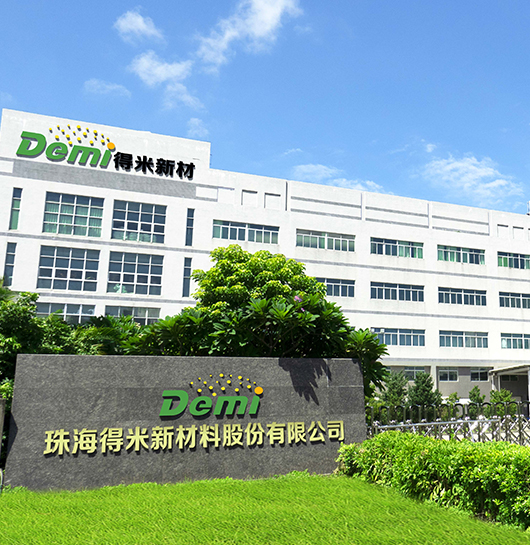
The efficacy of modern absorbent solutions is rooted in the development of Super Absorbent Polymers (SAP). Established in 2003, Demi Co., Ltd. has dedicated over two decades to the research and manufacturing of these polymers. With 80 production lines and a workforce of more than 200 employees, the focus remains on engineering materials that meet rigorous safety and performance standards. The application of SAP technology allows for a high absorption-to-weight ratio, meaning that very thin pads can manage substantial volumes of fluid without adding bulk to the packaging.
The technical development of these materials involves ensuring that they remain stable under varying temperature ranges, from deep-freeze conditions to standard refrigeration. Furthermore, the manufacturing process must adhere to international quality system certifications to ensure that every pad is suitable for direct contact with food items. This commitment to technical precision has allowed these products to reach markets in over 100 countries, supporting global food safety initiatives.
Operational Efficiency and Sustainability
From a manufacturing perspective, the inclusion of food contact grade fresh produce absorbent pads streamlines the retail display process. Retailers no longer need to worry about messy leaks that require frequent cleaning of display cases. The structural integrity of the pads ensures they remain intact even when saturated, preventing any polymer leakage or fiber shedding onto the food product.
Beyond hygiene, there is a growing focus on the efficiency of resource use. By extending the shelf life of meat and vegetables by even a few days, these absorbent solutions play a role in reducing global food waste. Each day of added freshness reduces the likelihood of a product being discarded, which optimizes the entire value chain from the farm to the kitchen table. The use of precisely engineered SAP products ensures that the minimum amount of material is used to achieve the maximum possible preservation effect.
Compliance and Global Standards in Food Packaging
As food safety regulations become increasingly stringent across Europe, North America, and Asia, the materials used in packaging must undergo rigorous testing. Food contact grade fresh produce absorbent pads are manufactured to meet these specific legal requirements, ensuring that no harmful substances migrate from the pad to the food. This level of compliance is supported by numerous patents and quality certifications held by experienced manufacturers like Demi Co., Ltd.
Professional high-tech private enterprises in this sector invest heavily in laboratory testing to simulate real-world conditions. This includes testing for absorption speed, retention capacity, and material stability. For B2B buyers, sourcing from a manufacturer with a long-standing history in SAP development provides the assurance that the components will perform consistently across different climates and logistics chains.
Impact on Consumer Experience
The final consumer may not always notice the absorbent pad tucked beneath their salmon or beef, but they certainly notice the results. A product that looks fresh, smells neutral, and does not leak during the trip home from the supermarket creates a positive brand association. In the competitive retail landscape, the small details of packaging often determine whether a customer returns to a specific brand or retailer.
By preventing the "drip" effect, these pads keep the labels and packaging films clear, allowing the consumer to inspect the quality of the food without obstruction. This transparency is a key driver of trust in the fresh food sector. Whether it is for premium cuts of Wagyu beef or delicate organic berries, the underlying technology of fluid management remains a silent but vital partner in the culinary world.
Long-Term Value in Food Logistics
As international trade continues to expand, the duration of the cold chain grows longer. Products are moved across borders and through various distribution centers before reaching the shelf. During this journey, temperature fluctuations can occur, leading to increased fluid release. The presence of reliable food contact grade fresh produce absorbent pads acts as a safety buffer, mitigating the impact of these environmental stressors.
The expertise developed over 20 years by specialists in the field ensures that these solutions are not just reactive, but proactive. Modern pads can be customized in terms of size, color, and absorption capacity to fit the specific needs of different food categories. This versatility makes them an indispensable tool for food processors who aim to maintain high standards of quality regardless of the distance the product must travel.
Managing moisture is an essential component of modern food science that directly influences the safety, longevity, and quality of fresh goods. The transition toward specialized materials, such as those incorporating advanced super absorbent polymers, represents a significant step forward in packaging technology. By utilizing food contact grade fresh produce absorbent pads, the industry can ensure that meat, seafood, and vegetables reach the consumer in the best possible condition. The continuous innovation in SAP manufacturing provides the foundation for these improvements, offering scalable and reliable solutions for the global market. For further technical specifications and product details, information is available at https://demi.com.cn/.
Demi Co, Ltd.
Demi Co, Ltd.
+ +8613702577811
sales002@demichina.cn
Legal Disclaimer:
EIN Presswire provides this news content "as is" without warranty of any kind. We do not accept any responsibility or liability for the accuracy, content, images, videos, licenses, completeness, legality, or reliability of the information contained in this article. If you have any complaints or copyright issues related to this article, kindly contact the author above.
